
Heritage Runs Deep
Heritage Runs Deep
Where Cherokee history, frontier justice and Oklahoma legends come together.
Long before Sallisaw became a city, this corner of eastern Oklahoma was part of a much larger American story. The lands surrounding present-day Sallisaw became part of the Cherokee Nation in Indian Territory, and the region's history remains deeply connected to the Cherokee people, the Trail of Tears and the transformation of the American frontier.
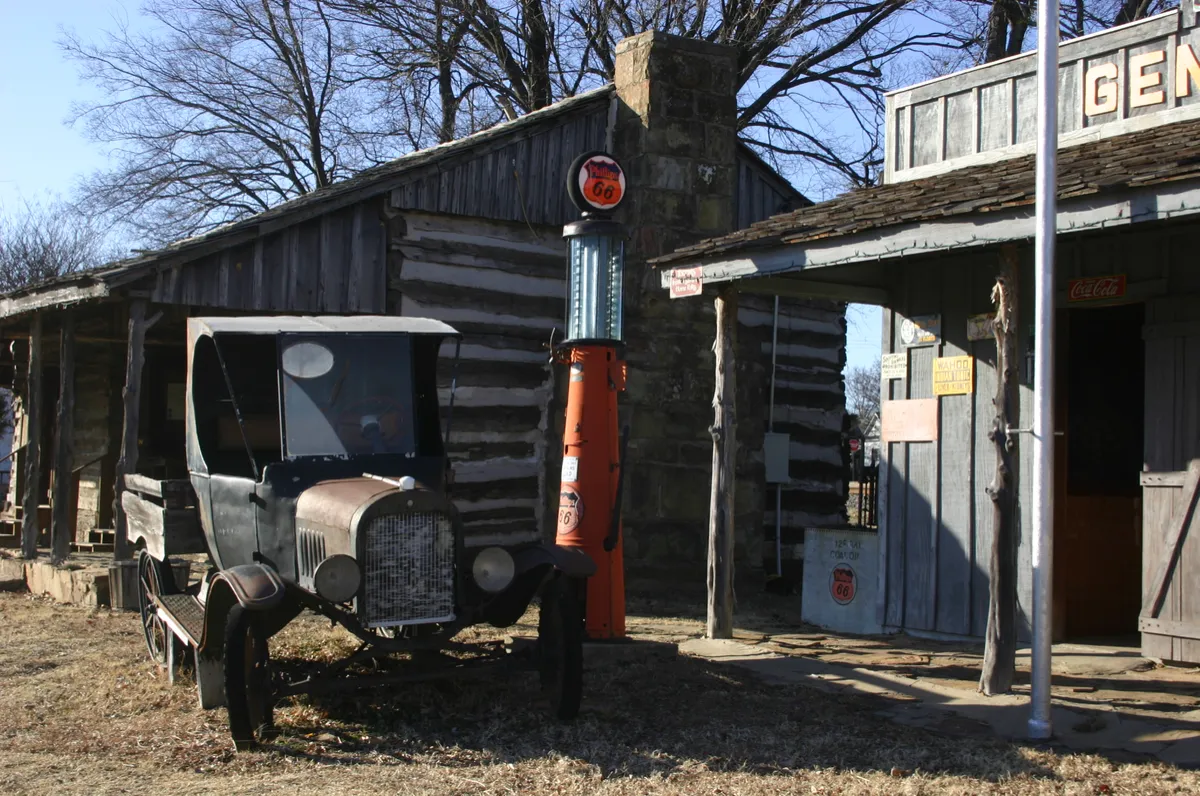
Today, visitors can experience that history in places where it actually happened. From the home of Sequoyah and historic structures preserved at the 14 Flags Museum to stories of legendary outlaw Pretty Boy Floyd, Sallisaw offers a fascinating look into the people and events that helped shape eastern Oklahoma.
The Trail of Tears & Cherokee Nation
The story of Sallisaw cannot be separated from the history of the Cherokee Nation.
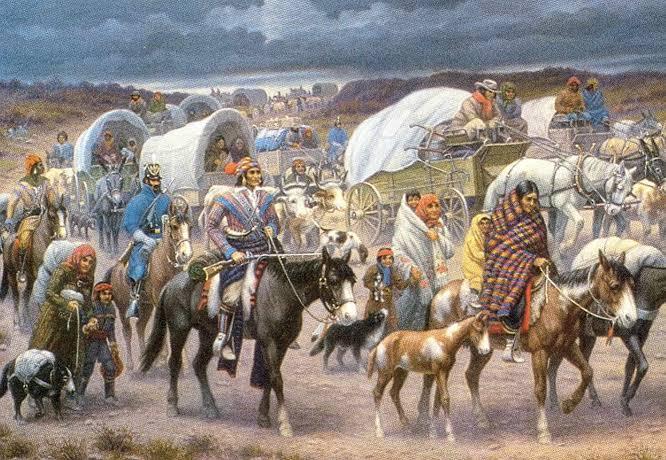
During the forced removal of the Cherokee people from their ancestral homelands in the southeastern United States in 1838–39, thousands traveled west to Indian Territory along routes now preserved as the Trail of Tears National Historic Trail. Those who survived established new communities and rebuilt the Cherokee Nation in what is now northeastern Oklahoma.
Sallisaw and Sequoyah County are part of this historic Cherokee landscape. The story is one of tremendous hardship and loss, but also of perseverance, cultural survival and rebuilding.
Visitors can explore this history locally at 14 Flags Museum, where one of the historic cabins contains artifacts associated with the Trail of Tears.
Sequoyah's Cabin
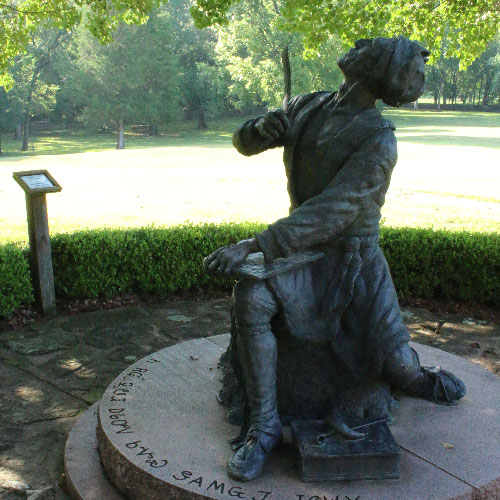
Just outside Sallisaw stands one of the region's most important historic treasures: Sequoyah's Cabin Museum.
Sequoyah developed the Cherokee syllabary, completed in 1821, making it possible to read and write the Cherokee language. He moved west before the forced removal and built his one-room log cabin near present-day Sallisaw in 1829. Today, the cabin is preserved as a historic site along the Trail of Tears National Historic Trail and is listed on the National Register of Historic Places.
Standing inside the cabin connects visitors to a remarkable chapter in American history—and to a man whose work transformed communication, literacy and cultural preservation within the Cherokee Nation.
14 Flags Over Oklahoma
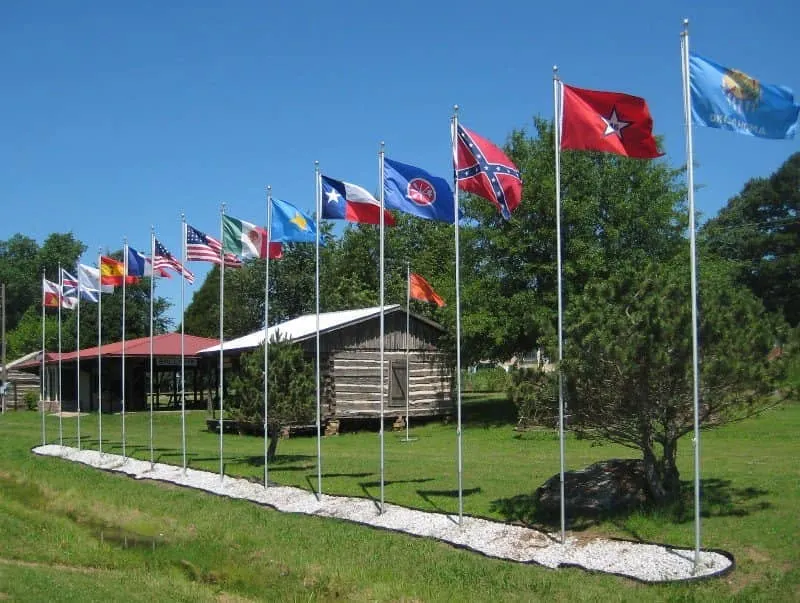
Located in Sallisaw, the 14 Flags Museum tells the story of the many peoples, governments and eras that influenced the land that became Oklahoma.
Historic buildings and exhibits preserve pieces of Sallisaw's past, including Trail of Tears history and the Old Sallisaw Train Depot, a reminder of the railroad's enormous role in the development of the community. The museum's collection of flags represents the succession of nations and governments connected to Oklahoma's history—from European colonial powers and the United States to tribal, territorial and state history.
It's a fitting introduction to Sallisaw: one small place with many layers of history.
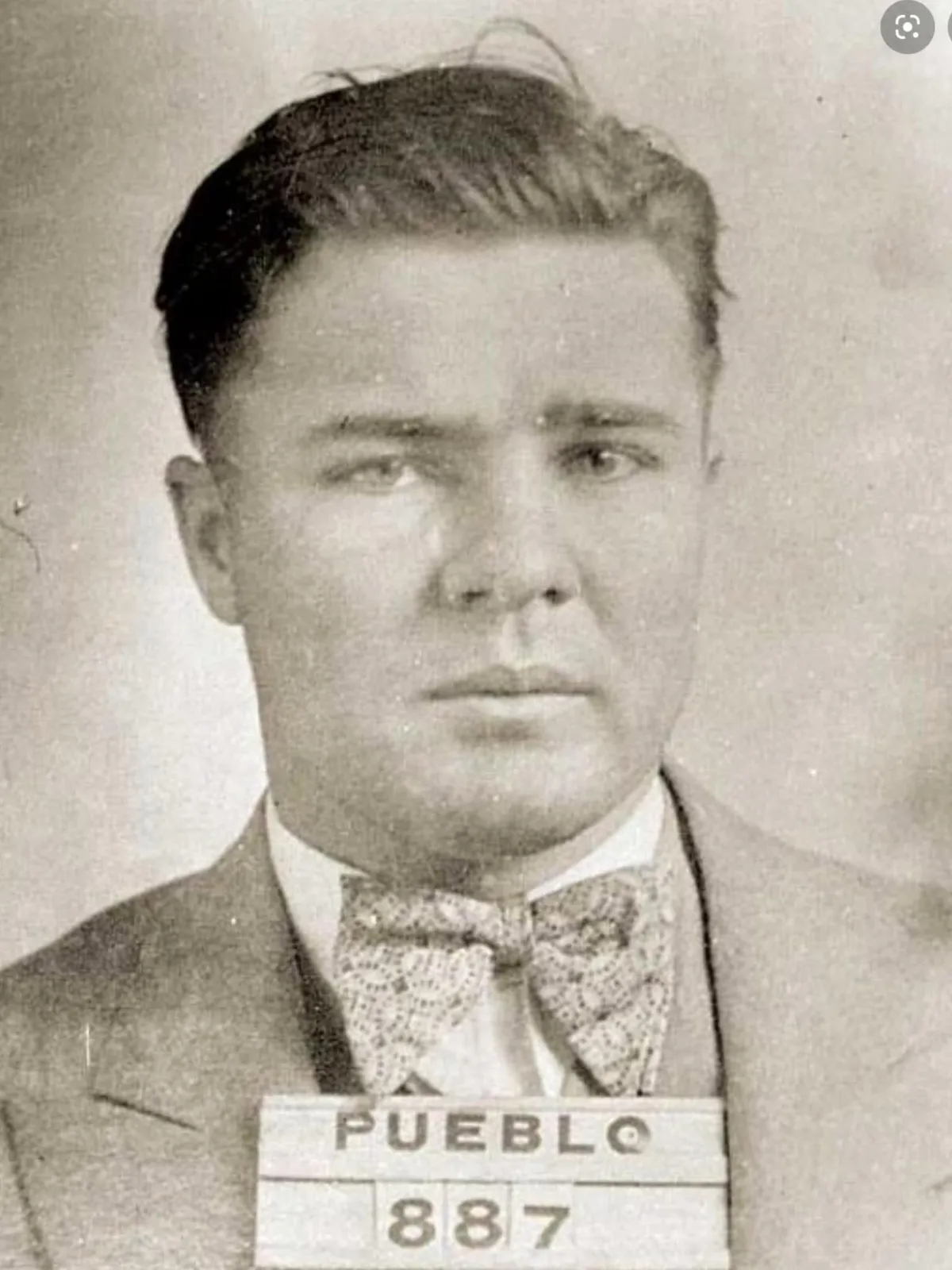
The Legend of
Pretty Boy Floyd
Sallisaw's history also includes one of the most famous names of America's outlaw era.
Charles Arthur "Pretty Boy" Floyd grew up on tenant farms around Sallisaw and nearby Akins before becoming one of the country's most notorious Depression-era bank robbers. His exploits turned him into a national figure, while stories of his generosity toward struggling families helped create a Robin Hood-like legend around him.
After Floyd was killed in Ohio in 1934, his body was returned home to Sequoyah County. Estimates place attendance at his funeral in Sallisaw at an extraordinary 20,000 to 40,000 people. He was laid to rest at Akins Cemetery northeast of Sallisaw, where his grave remains a destination for visitors interested in outlaw and Depression-era history.
Today, visitors can make the short drive to the Pretty Boy Floyd Gravesite and discover the landscape where one of America's most enduring outlaw legends began.
From Sallisaw to Fort Smith: Gateway to Indian Territory
Sallisaw's heritage becomes even more interesting when viewed alongside nearby Fort Smith, Arkansas.
The two communities sit on opposite sides of a historic gateway between Arkansas and what was once Indian Territory. Long before today's highways connected them, the Arkansas River linked the region; in the 1840s and 1850s, a Sallisaw landing was among the steamboat stops between Fort Smith and Fort Gibson.
Fort Smith later became synonymous with frontier justice. The federal court of Judge Isaac C. Parker held jurisdiction over a vast portion of Indian Territory, while deputy U.S. marshals rode west from Fort Smith in pursuit of fugitives.
That history can still be explored at the Fort Smith National Historic Site and the United States Marshals Museum. The national museum tells the broader story of the U.S. Marshals Service, including the marshals who served on the western frontier and in Indian Territory.
For visitors staying in Sallisaw, Fort Smith makes a natural companion to exploring the history of eastern Oklahoma. Together, the two destinations tell different sides of the same frontier story.
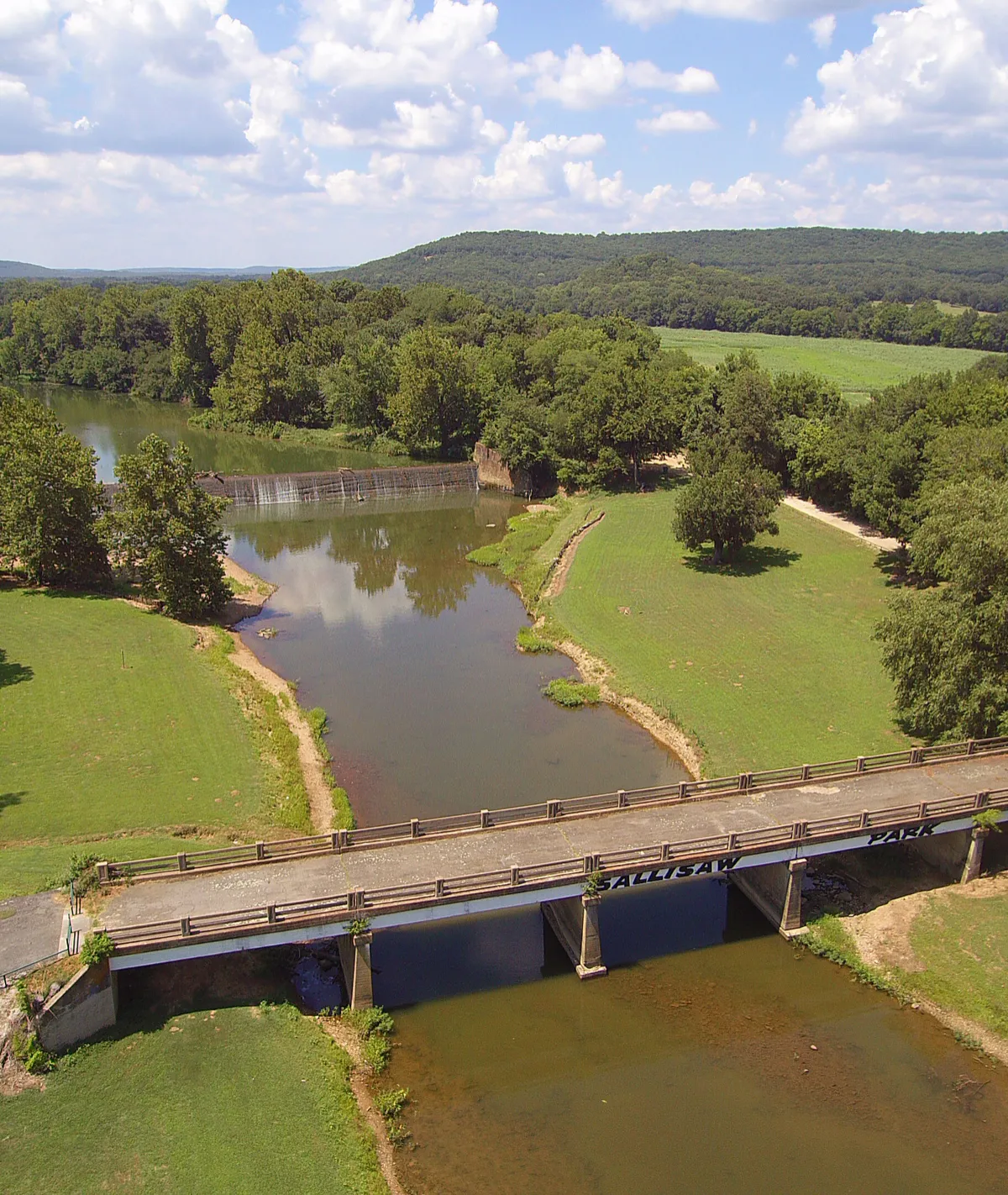
Walk Through the Stories That Shaped Sallisaw
Here, history isn't confined to a textbook.
It's preserved in a cabin built nearly two centuries ago. It's found along the routes traveled by Cherokee families into Indian Territory. It's remembered in an old railroad depot and beneath fourteen flags. It's told through tales of marshals and outlaws, and it's written into the communities that grew on both sides of the Oklahoma-Arkansas border.
Come discover the people, places and stories that made Sallisaw what it is today.
Experience the warmth of Oklahoma sunsets and the welcoming spirit of the Ozark foothills. Sallisaw is your vibrant, family-centric gateway.
Community Links
Heritage
Camping
Events
Shopping
Dining
Lodging
Contact Us
Sallisaw Chamber of Commerce
101 N Wheeler Ave.
Sallisaw, OK 74955
(918) 775-2558
[email protected]
Follow Us


© 2026 Sallisaw. All rights reserved.